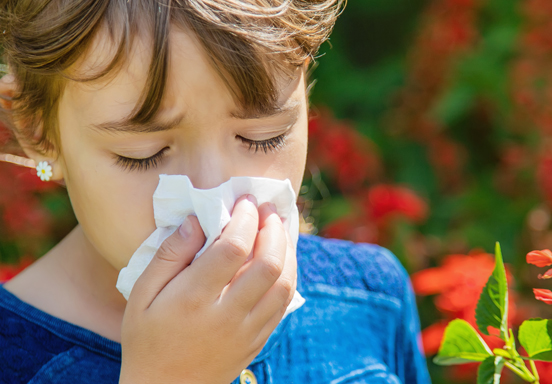
Seasonal Allergies and Sinus Infections: What’s the Difference?
Springtime usually brings warmer weather, blooming plants and for millions of people, uncomfortable nasal symptoms. Stuffy noses, sneezing, facial pressure, and headaches are common in both the spring and fall. Two of the most frequent causes of these symptoms are seasonal allergies and sinus infections. Although they can feel similar, they have very different causes and treatments. Understanding how to tell them apart can help you seek the right care and avoid unnecessary treatments.
What Are Seasonal Allergies?
Seasonal allergies, also known as allergic rhinitis or “hay fever,” occur when the immune system overreacts to airborne particles such as pollen or mold spores. When these allergens enter the nose, the immune system releases chemicals like histamine, which trigger inflammation in the nasal passages and eyes. Common seasonal allergy triggers vary by time of year and include:
- Spring: Tree pollen
- Summer: Grass pollen
- Fall: Weed pollen, especially ragweed
In warm or damp climates, mold spores can be present across multiple seasons.
Symptoms often appear quickly after exposure and may last for weeks or months, as long as allergens are present. Seasonal allergies do not involve an infection and do not cause fever. Typical Symptoms include:
- Frequent sneezing
- Stuffy or runny nose with clear mucus
- Itchy nose, throat or ears
- Itchy, watery or red eyes
- Postnasal drip and mild headache
What Is a Sinus Infection?
A sinus infection—also called sinusitis—occurs when the sinuses become inflamed and infected, most commonly by viruses and less often by bacteria. The swelling blocks normal mucus drainage, creating an environment where germs can multiply. Sinus infections often result from a cold or upper respiratory infection, but they can also arise when ongoing nasal inflammation—such as from allergies—prevents the sinuses from draining properly.
Symptoms usually develop gradually and can last seven to 10 days or longer, especially if bacterial infection is present. Typical symptoms of a sinus infection include:
- Facial pain or pressure around the cheeks, eyes, or forehead
- Thick nasal discharge that may appear yellow or green
- A sense of fullness in the face or teeth
- Reduced sense of smell
- Headache that worsens when bending forward
- Fever in some cases
When to See a Healthcare Provider
A correct diagnosis is important because treatments differ. Allergy medications such as antihistamines help allergic reactions but do not treat sinus infections, while antibiotics are only useful if a bacterial infection is confirmed. Make an appointment with your primary care physician if:
- Symptoms last longer than 10 days without improvement
- Facial pain, fever, or severe headache develops
- Symptoms worsen after initially improving
- Nasal symptoms interfere with daily life or sleep
Seasonal allergies and sinus infections share many symptoms, which makes them easy to confuse. Knowing the differences can help you find the best way to feel better and get the right treatment, so you can get relief faster and stay healthier in the long run.
Schedule an appointment with your primary care physician today, or find a provider near you.