Fall Prevention: Staying Safe and Independent as You Age
Falls can happen to anyone, but they become more common as we age. The good news is that falling is not a normal or unavoidable part of getting older. With a few steady habits and simple changes at home, many falls can be prevented. These tips can help you stay active, confident, and independent.
According to the Centers for Disease Control and Prevention, more than 14 million adults ages 65 and older in the United States report falling each year. That is about one in four older adults. The CDC also reports that about 37% of older adults who fall have an injury that needs medical care or limits their activity for at least one day. This means falls are common, but it also means prevention matters.
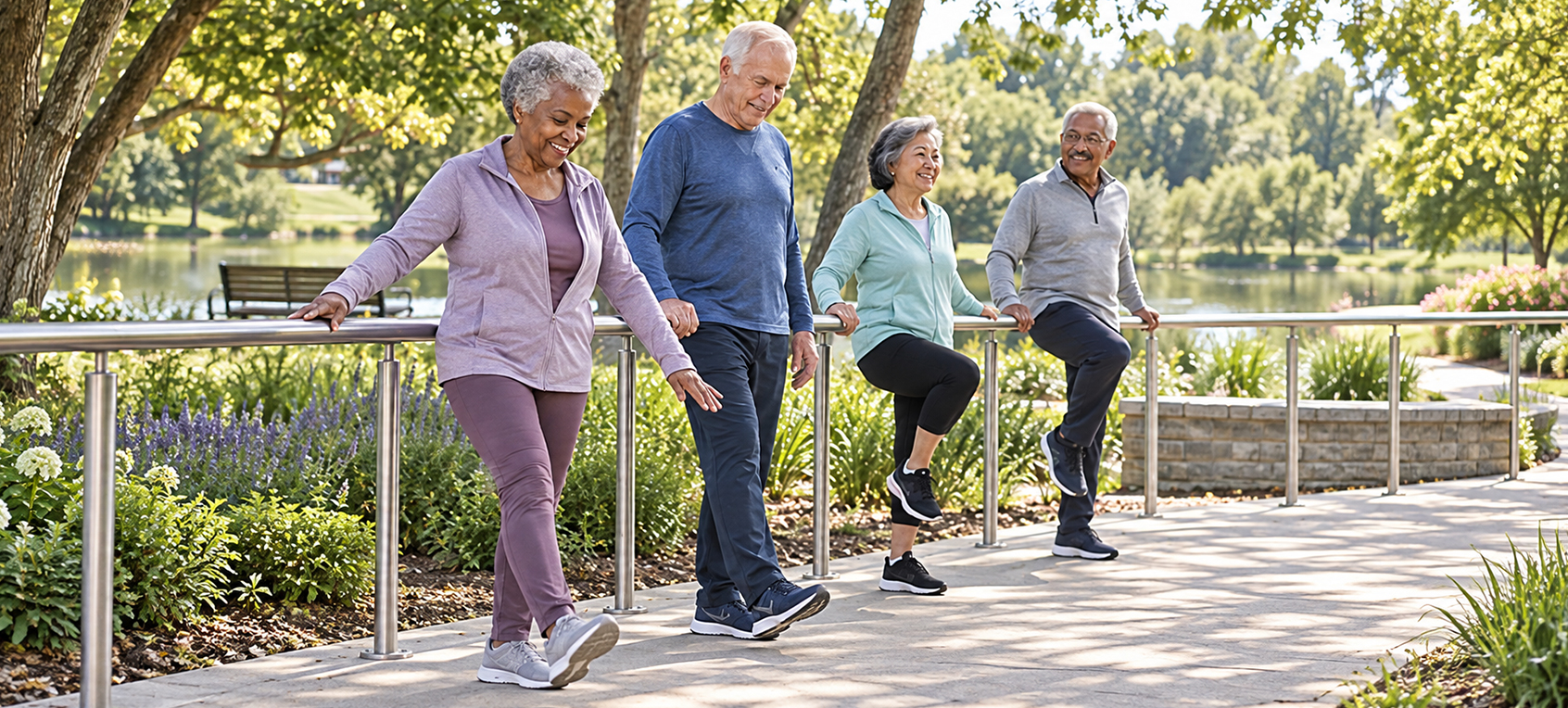
Regular exercise can build leg strength, improve balance, and help you react more quickly if you trip. Walking, stretching, water exercise, tai chi, and gentle strength training can all be good choices. If you have not been active for a while, start slowly and ask your health care provider what is safe for you.
Your home can also play a big role in fall prevention. Clear your walkways, pick up clutter, and remove loose rugs or secure them with nonslip backing. Keep often-used items within easy reach so you do not have to climb on chairs or step stools. Good lighting is important, too. Add night-lights in hallways, bedrooms, and bathrooms, and turn on lights before walking into or through a room.
Other health habits can make a difference, too. Have your vision checked regularly, since changes in eyesight can make it harder to see steps, cords, or uneven floors.
If you use a cane, walker, or other support, make sure it fits you well and is in good condition. Wear shoes that support your feet and have nonslip soles. Try to avoid walking in socks on smooth floors, since socks can slide easily.
Most of all, talk about fall prevention before a fall happens. Ask a trusted health care provider about your personal risk. Small changes, made one at a time, can add up to a safer daily routine. Staying steady on your feet keeps you doing the things you enjoy, from visiting friends to taking walks to living well at home.
Sources:
- Centers for Disease Control and Prevention — Older Adult Falls Data
- Centers for Disease Control and Prevention — Facts About Older Adult Falls
- Centers for Disease Control and Prevention — Preventing Falls and Hip Fractures
- National Institute on Aging — Falls and Fractures in Older Adults: Causes and Prevention
- U.S. Preventive Services Task Force — Falls Prevention in Community-Dwelling Older Adults: Interventions